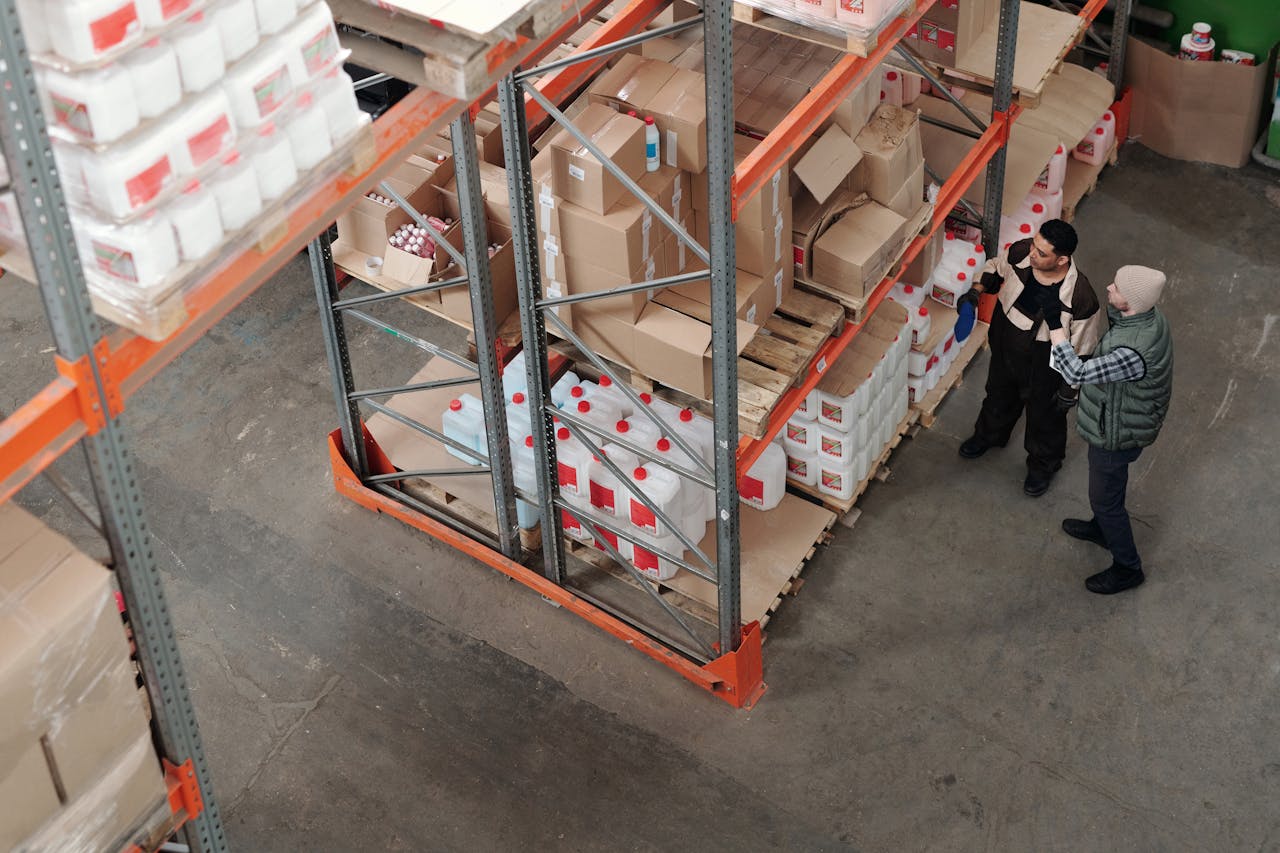
If you’re searching for a stable, well-paying job in Europe with a clear path to legal residency, warehouse jobs in Italy in 2026 deserve your full attention. Italy’s logistics and e-commerce industry is growing at a remarkable pace — and right in the middle of that growth, warehouse workers are in higher demand than ever before.
From Amazon’s massive fulfillment centers in Milan and Rome to regional distribution hubs operated by some of Europe’s biggest retail and logistics companies, Italian warehouses are actively hiring — and they’re increasingly open to international workers. Whether you’re completely new to warehouse work or you’ve spent years in logistics back home, this guide will walk you through everything: what the job involves, how much you’ll earn, who’s hiring, how to get your work permit, and how to apply. Let’s get into it.
Why Warehouse Jobs in Italy Are a Smart Career Choice in 2026
Italy’s e-commerce sector grew by over 20% in 2024 and continues to expand rapidly in 2026, driven by major players like Amazon, Zalando, and Italian retail giants. Every online order placed by Italy’s 60 million consumers passes through a warehouse — and that means a consistent, growing need for workers to pick, pack, sort, and ship.
Beyond e-commerce, Italy’s position as a major European trade hub means its ports, airports, and industrial zones are surrounded by logistics facilities handling everything from automotive parts to fashion goods to pharmaceutical products. This isn’t a niche industry — it’s the backbone of the Italian economy, and warehouse jobs in Italy for foreigners are one of the most realistic entry points into that economy.
Italy’s national immigration quota system — the Decreto Flussi — specifically includes logistics and warehouse roles in its annual allocations for non-EU workers, making this one of the most accessible legal pathways into employment in Europe.
Types of Warehouse Jobs Available in Italy 2026
Warehouse work covers a broad range of roles. Here’s what’s typically available:
Order Picker / Picker-Packer
The most common entry-level role. You’ll receive picking lists — either on paper or via a handheld scanner — and collect items from shelves to fulfill customer orders. No experience required. Training is provided on the job.
Forklift Operator (Mulettista)
One of the most in-demand and best-paid warehouse roles. Forklift operators move pallets, load and unload trucks, and manage stock in high-bay storage areas. A valid forklift license (patentino muletto) is required — but Italian employers and staffing agencies often sponsor the training.
Goods Receiving and Dispatch Clerk
Managing incoming and outgoing shipments, checking delivery documentation, and verifying stock counts. Attention to detail and basic numeracy are the key skills here.
Inventory Controller / Stock Manager
Overseeing stock levels, conducting cycle counts, and using warehouse management systems (WMS). Some experience with inventory management tools is helpful for these roles.
Warehouse Team Leader / Supervisor
Overseeing a team of operatives, managing shift productivity, and liaising with management. These roles typically require 2–3 years of warehouse experience and basic Italian language skills.
Amazon Fulfillment Associate
Amazon operates several large fulfillment centers in Italy — including in Passo Corese (Rieti), Torrazza Piemonte (Turin), and Castel San Giovanni (Piacenza). These facilities hire large numbers of associates for picking, packing, sorting, and quality control — with structured training, consistent shifts, and competitive pay.
Warehouse Worker Salary in Italy 2026
Here’s a realistic breakdown of what you can expect to earn:
- Entry-level picker/packer: €1,100 – €1,350 per month
- Experienced warehouse operative: €1,350 – €1,700 per month
- Forklift operator (mulettista): €1,500 – €2,000 per month
- Inventory controller / stock manager: €1,700 – €2,200 per month
- Warehouse team leader / supervisor: €2,000 – €2,800 per month
Standard warehouse employment contracts in Italy include:
- Meal vouchers (buoni pasto) — typically €7–€10 per working day
- Night shift supplement — 15–25% above standard hourly rate
- Overtime pay at enhanced rates
- 13th month salary bonus (tredicesima) — one extra month’s pay per year
- Full social security and national health coverage (INPS/SSN)
- Paid annual leave — minimum 4 weeks under Italian law
When you add it all up — especially the buoni pasto and 13th month bonus — the real annual value of a warehouse contract in Italy is meaningfully higher than the base monthly figure suggests.
Real Story: From Egypt to Piacenza
Hassan, a 32-year-old from Cairo, had worked in a logistics company in Egypt for five years before deciding to pursue an opportunity in Italy. Through a licensed Italian recruitment agency that specializes in logistics placements, he secured a picker-packer role at a large distribution center near Piacenza — one of Northern Italy’s main logistics hubs, located at the crossroads of Italy’s major motorways. His employer filed the Nulla Osta, and Hassan arrived in Italy eight months after first contacting the agency. “The work is physical but organized,” he says. “My supervisor is patient, my colleagues are from different countries, and my Italian is improving every week. I’ve already applied for my forklift license training — sponsored by the company.” Two years in, Hassan is an inventory controller earning €1,650 per month. His wife joined him last year on a family reunification permit. Step by step, the plan is working.
Work Permit Guide for Warehouse Jobs in Italy
EU Citizens
If you hold an EU or EEA passport, you can work in any Italian warehouse without restrictions. Simply arrive, register at your local Comune (town hall), obtain your codice fiscale (tax code), and start applying.
Non-EU Citizens: Complete Step-by-Step Guide
Step 1 – Monitor the Decreto Flussi Italy’s annual immigration quota — the Decreto Flussi — allocates work slots for non-EU workers across sectors including logistics and warehouse work. Check interno.gov.it regularly, as applications typically open in the first quarter of the year and slots fill fast. Working with a recruitment agency dramatically improves your chances of securing a place before quotas close.
Step 2 – Find a Sponsoring Employer You must have an Italian employer willing to sponsor your work authorization. The most effective way to find one is through:
- Licensed Italian staffing agencies (Agenzie per il Lavoro) — Adecco Italia, Manpower Italia, Randstad Italia, Gi Group, and Etjca all have active logistics divisions
- Direct applications to Amazon Italy, BRT, GLS, and major retail distribution centers
- Specialist international recruitment agencies that match foreign workers with Italian logistics employers
Step 3 – Employer Files Nulla Osta Your sponsoring employer submits a work authorization request (Nulla Osta al Lavoro) to the Sportello Unico per l’Immigrazione in their province. Processing typically takes 4–8 weeks.
Step 4 – Apply for Subordinate Work Visa Once the Nulla Osta is approved, apply for a Visto per Lavoro Subordinato (Subordinate Work Visa) at the Italian consulate or embassy in your home country. Required documents typically include your Nulla Osta, signed employment contract, valid passport, passport photos, and proof of accommodation in Italy.
Step 5 – Arrive and Register Within 8 days of arriving in Italy, visit a designated post office to submit your application for a Permesso di Soggiorno (residence permit). This officially legalizes your right to live and work in Italy for the duration of your contract.
The full process typically takes 3–5 months from initial employer contact to arrival in Italy. Starting early is essential.
Top Companies Hiring Warehouse Workers in Italy 2026
Here are the major employers actively recruiting:
- Amazon Italy – Fulfillment centers in Passo Corese, Torrazza Piemonte, Castel San Giovanni, and expanding locations
- BRT (Bartolini) – Italy’s largest parcel delivery and logistics network
- GLS Italy – Parcel logistics with depots across the country
- TNT / FedEx Italy – International freight and distribution
- Esselunga – Major Italian supermarket chain with large distribution centers
- Coop Italia – Retail cooperative with nationwide logistics operations
- Lidl Italia / Eurospin – Discount retailers with significant warehouse operations
- Fercam / Dachser – Large European logistics operators with Italian facilities
- Zalando Italy – Fashion e-commerce with growing Italian logistics presence
Beyond these names, hundreds of smaller logistics operators, manufacturers, and retail distributors across Northern Italy’s logistics triangle (Milan–Bologna–Verona) hire warehouse workers on a rolling basis.
How to Find and Apply for Warehouse Jobs in Italy
Here are the most effective channels:
- Indeed Italia (indeed.it) — search “magazziniere”, “operatore logistico”, or “warehouse jobs Italy”
- LinkedIn Italy — good for supervisor and management-level roles
- Infojobs.it — widely-used Italian job board with regular logistics postings
- Staffing agency websites — Adecco, Manpower, Randstad, and Gi Group post new warehouse vacancies daily
- Amazon Jobs Italy — amazon.jobs/en/locations/italy — apply directly for fulfillment center roles
- Company career pages — BRT, GLS, Esselunga, and Coop Italia all advertise warehouse openings directly
When applying, your CV should highlight:
- Any previous warehouse, logistics, or factory experience
- Physical fitness and ability to work on your feet for extended periods
- Forklift license if you hold one
- Any WMS (Warehouse Management System) experience
- Reliability and punctuality — these are the qualities Italian warehouse employers prize most
FAQs – Warehouse Jobs in Italy 2026
Q: Do I need Italian language skills to work in a warehouse in Italy? A: Basic Italian is helpful and will improve your safety and communication on the job. However, many large Italian warehouses — especially Amazon facilities — operate with multilingual workforces and provide instructions in multiple languages. A short Italian course before arriving significantly improves your interview chances and daily experience.
Q: Is a forklift license required for all warehouse jobs? A: No. Most entry-level picker and packer roles don’t require a forklift license. However, obtaining one — either before arriving or through employer-sponsored training in Italy — significantly increases your earning potential and job options.
Q: Can warehouse work lead to permanent residency in Italy? A: Yes. After five consecutive years of legal residence and employment in Italy, you can apply for the EU long-term residence permit (Permesso UE per soggiornanti di lungo periodo), which provides near-permanent status and the right to work and live across the EU.
Q: How competitive is it to get a warehouse job in Italy as a foreigner? A: Demand for warehouse workers is high and growing. Entry-level roles are accessible even without experience. The main challenge for non-EU workers is navigating the Decreto Flussi quota system — which is why working through a licensed Italian staffing agency is strongly recommended.
Q: Can I bring my family to Italy on a warehouse work visa? A: Yes. Once you’ve established legal residency and your income meets the threshold set by Italian immigration law (roughly €8,500–€11,000 net per year depending on family size), you can apply for family reunification (ricongiungimento familiare) to bring your spouse and dependent children.
Conclusion – Your Italian Warehouse Career Is Within Reach
There’s something powerful about knowing that the life you’re working toward is genuinely possible — that the visa exists, the jobs are real, the companies are hiring, and the path is laid out clearly in front of you. That’s exactly where you stand right now.
Warehouse jobs in Italy in 2026 aren’t a fantasy. They’re a concrete, accessible opportunity for thousands of workers around the world — people who are willing to work hard, follow the process, and build something real. Whether you end up packing boxes at an Amazon fulfillment center in Piacenza, operating a forklift in Milan’s logistics hub, or managing inventory at a supermarket distribution center in Bologna — you’ll be earning a fair wage, building legal residency, and creating a foundation that can support your family for years to come.
We know the paperwork feels overwhelming. We know the waiting is hard. But here’s what we want you to remember: every single person who has successfully made this journey felt exactly the same way at the start. They filled out the forms anyway. They contacted the agency anyway. They took the first step — and everything changed.
Now it’s your turn. Update your CV, contact a staffing agency, and take that first step today. Italy is hiring. And there’s a place in one of its warehouses with your name on it.