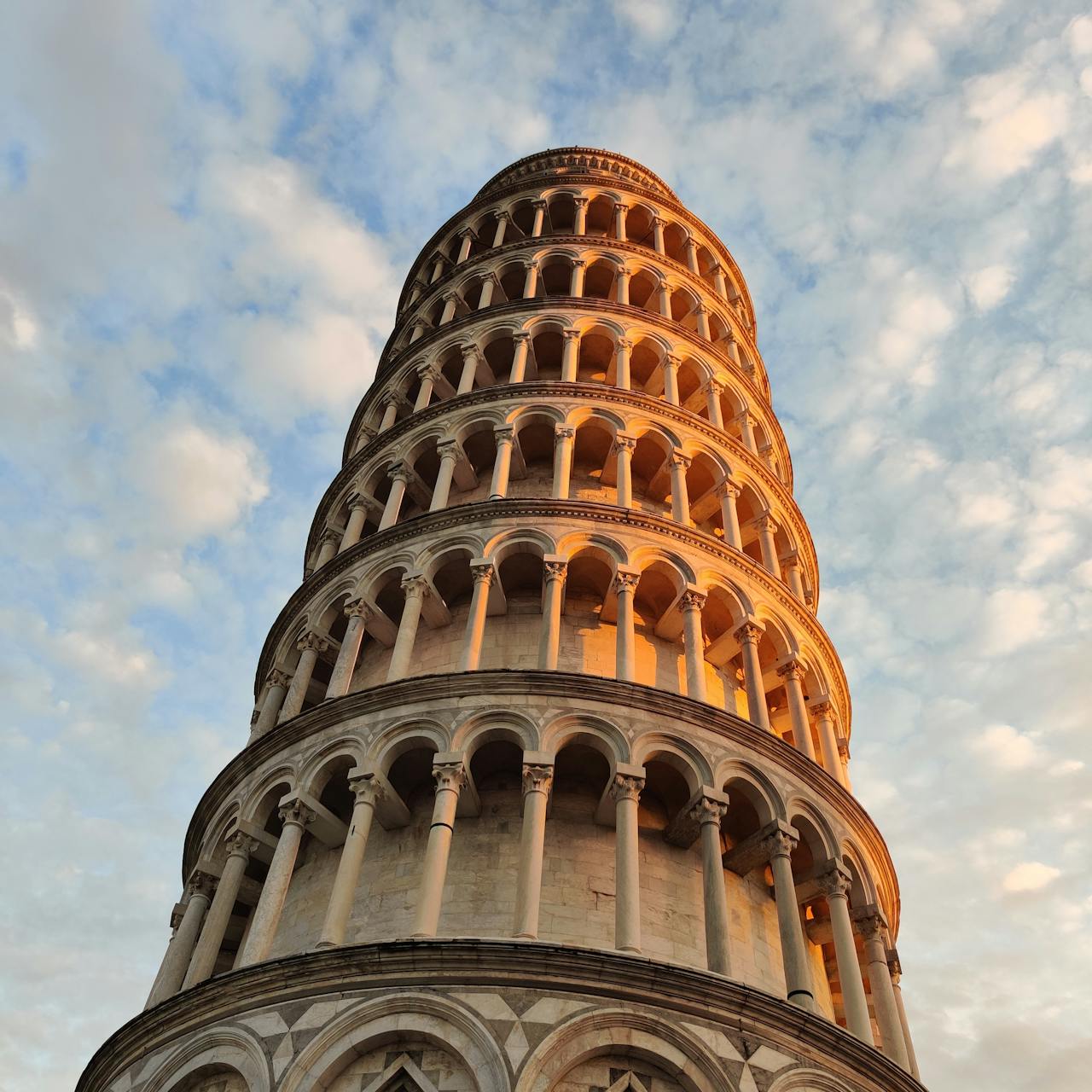
Imagine sipping an espresso at a sun-drenched café in Florence while finishing your morning client calls, then spending your lunch break wandering through Renaissance art museums. For digital nomads in 2025, this isn’t just a vacation fantasy—it’s a legitimate lifestyle option thanks to Italy’s newly structured digital nomad visa program.
Italy joined the growing list of countries courting remote workers with its digital nomad visa initiative, and the 2025 iteration brings clearer guidelines, streamlined processes, and attractive tax incentives that make living in one of the world’s most culturally rich countries surprisingly accessible. Whether you’re a freelance designer, software developer, online consultant, or remote employee, understanding Italy’s income requirements and application process is your first step toward trading your home office for a terrace overlooking the Mediterranean.
This comprehensive guide breaks down everything you need to know about securing Italy’s digital nomad visa in 2025, from precise income thresholds to document checklists and insider strategies for a smooth application experience.
What Is Italy’s Digital Nomad Visa?
Italy’s digital nomad visa falls under the country’s self-employment visa framework, specifically designed for non-EU citizens who work remotely for clients or employers outside Italy. Introduced to attract skilled professionals and boost local economies—especially in smaller towns and southern regions—the program allows qualifying remote workers to live in Italy legally for up to one year, with the possibility of renewal.
Unlike tourist visas that prohibit work or traditional work visas requiring Italian employment, the digital nomad visa creates a legal pathway for location-independent professionals to experience Italian life while maintaining their existing income streams. You’re not taking jobs from Italians—you’re bringing outside money into local communities, spending on housing, food, services, and experiences that support Italian businesses.
The visa is particularly attractive because Italy offers what few countries can match: world-class infrastructure, reliable high-speed internet in major cities, an unparalleled quality of life, rich cultural experiences, and that famous Italian approach to work-life balance. Plus, Italy’s central European location makes weekend trips to dozens of countries incredibly convenient.
Income Requirements for Italy Digital Nomad Visa 2025
Let’s address the crucial question: how much do you need to earn to qualify for Italy’s digital nomad visa? The Italian government has established specific minimum income thresholds to ensure applicants can support themselves without relying on Italian social services.
Minimum Annual Income Requirement:
For 2025, the baseline minimum income requirement is approximately €28,000 to €30,000 gross annual income (roughly $30,500 to $32,700 USD). This threshold aligns with three times Italy’s minimum annual income used for family reunification purposes and represents what Italian authorities consider sufficient for comfortable living.
However, income requirements increase based on your situation:
- Single applicant: €28,000-€30,000 annually
- With one dependent: Add approximately 20% (€33,600-€36,000)
- With two dependents: Add approximately 40% (€39,200-€42,000)
- Additional dependents: Add 10% per person
Income Verification Standards:
Italian consulates require documented proof of stable, ongoing income. Acceptable evidence includes:
- Employment contracts showing remote work arrangements with salary specifications
- Tax returns from the previous year demonstrating consistent earnings
- Bank statements showing regular deposits from clients or employers (typically 6-12 months)
- Client contracts and invoices for freelancers showing ongoing work relationships
- Investment income statements if you’re financially independent
- Pension statements combined with other income sources
The key distinction: Italy wants proof of recurring, sustainable income, not just savings. A bank account with €50,000 doesn’t qualify if you have no ongoing earnings. They’re assessing whether you can maintain yourself long-term, not just for a few months.
Comprehensive Eligibility Criteria
Beyond income requirements, Italy’s digital nomad visa demands several additional qualifications:
Professional Requirements: You must demonstrate that you work remotely for clients or companies located outside Italy. This includes freelancers, independent contractors, remote employees of foreign companies, or business owners managing operations digitally. Your work cannot involve providing services to Italian clients or businesses (that would require different visa categories).
Health Insurance: Comprehensive health insurance covering your entire stay in Italy is mandatory. The minimum coverage should be €30,000 for medical emergencies and repatriation. You can obtain this through international health insurance providers, travel insurance with extended coverage, or specialized nomad insurance companies like SafetyWing or Genki.
Clean Criminal Record: You’ll need a criminal background check from your country of citizenship and any country where you’ve resided for more than six months in the past five years. These documents must be apostilled (authenticated for international use) and translated into Italian by certified translators.
Suitable Accommodation: Proof of accommodation in Italy is required. This can be a rental contract, property ownership documents, a hotel reservation for your initial period, or a letter of invitation from an Italian resident stating you’ll stay with them. Many applicants secure short-term accommodation initially, then find long-term rentals after arrival.
Professional Qualifications: While not always strictly enforced, demonstrating professional qualifications—university degrees, professional certifications, extensive experience in your field—strengthens your application and proves you’re a legitimate skilled professional.
Tax Advantages: Italy’s Special Flat Tax Regime
Here’s where Italy’s digital nomad visa becomes particularly attractive: eligible remote workers may qualify for Italy’s special flat tax regime for new residents, potentially reducing your tax burden significantly.
The 7% Flat Tax Option:
If you relocate to southern Italy (regions like Sicily, Calabria, Basilicata, Campania, Molise, Abruzzo, Puglia, or Sardinia) or certain small towns (under 20,000 inhabitants) in other regions, you may qualify for a remarkable 7% flat tax rate on foreign-sourced income for up to nine years. This represents one of Europe’s most competitive tax incentives for remote workers.
To qualify for the 7% rate, you must:
- Not have been an Italian tax resident in the five years preceding your move
- Commit to residing in Italy for at least two years
- Establish primary residence in eligible regions or municipalities
The Standard New Resident Regime:
For those settling in major cities like Rome, Milan, or Florence, Italy offers a different option: a flat tax rate on foreign income of approximately 15-20% (varying by specific circumstances), still considerably lower than Italy’s progressive tax rates that can exceed 40% for higher earners.
Important Consideration:
Tax residency rules are complex, and maintaining tax obligations in your home country while establishing Italian residence requires careful planning. Many digital nomads consult international tax advisors to structure their situation optimally and avoid double taxation through treaty provisions.
Step-by-Step Application Process
Navigating Italy’s digital nomad visa application requires patience and attention to detail. Here’s your roadmap:
Step 1: Gather Required Documents (1-2 months)
Compile your comprehensive document package:
- Valid passport (with at least three months validity beyond intended stay)
- Completed visa application form (available from Italian consulate website)
- Passport-style photographs meeting Italian visa requirements
- Proof of income (employment contracts, tax returns, bank statements)
- Health insurance policy documentation
- Criminal background check (apostilled and translated)
- Proof of accommodation in Italy
- Professional qualification documents (degrees, certifications)
- Cover letter explaining your remote work situation and why you’re choosing Italy
Step 2: Schedule Consulate Appointment (2-8 weeks wait time)
Book your visa appointment at the Italian consulate serving your area. Wait times vary dramatically by location—consulates in major cities often have lengthy backlogs, so schedule as early as possible. Some consulates allow online booking, while others require phone calls or email requests.
Step 3: Attend Visa Interview (30-60 minutes)
Present your documents in person at the consulate. Be prepared to answer questions about your work, income sources, plans in Italy, and ties to your home country. Dress professionally and demonstrate genuine enthusiasm for experiencing Italian culture alongside your work commitments.
Step 4: Application Processing (30-90 days)
Processing times vary by consulate and time of year. Summer months typically see longer delays due to vacation periods. The consulate may request additional documentation during this phase—respond promptly to avoid further delays.
Step 5: Visa Collection and Entry
Once approved, collect your visa from the consulate. Your initial visa is typically valid for entry within 90 days. Upon arrival in Italy, you must apply for a residence permit (permesso di soggiorno) within eight days at the local immigration office (Questura) or post office.
Step 6: Residence Permit Application in Italy
The permesso di soggiorno is your official residence document. This process requires:
- Another set of documents (similar to your visa application)
- Biometric data collection
- Proof of tax registration (Codice Fiscale)
- Payment of residence permit fees (approximately €100-200)
Processing takes 30-60 days, during which you’ll receive a receipt allowing you to stay legally in Italy.
Real Story: Sarah’s Journey from Seattle to Sicily
Sarah, a 34-year-old UX designer from Seattle, spent years dreaming of living in Italy but assumed it was impossible without an Italian job offer. When she discovered the digital nomad visa in early 2024, everything changed.
“I was earning about $65,000 annually working remotely for various tech clients,” Sarah recalls. “I didn’t think that was enough, but it comfortably exceeded Italy’s requirements. The hardest part wasn’t the income—it was navigating the documentation.”
Sarah spent two months gathering documents, including getting her FBI background check apostilled and finding an international health insurance policy that met Italian requirements. She applied through the Italian consulate in San Francisco, waited ten weeks, and received approval.
The game-changer? Sarah chose a small town in Sicily, qualifying for the 7% flat tax rate. “Between my reduced tax burden and Sicily’s low cost of living, I’m actually saving more money than I did in Seattle,” she explains. “Plus, I’m 20 minutes from Mediterranean beaches and can visit Greek islands on long weekends. My only regret is not doing this sooner.”
Sarah’s experience highlights an important reality: the visa process requires patience and organization, but the lifestyle rewards vastly outweigh the bureaucratic hassles.
Cost Breakdown: Budgeting for Your Application
Beyond meeting income requirements, budget for application and relocation expenses:
Application Costs:
- Visa application fee: €116-€150 (approximately $125-$165)
- Document translation: €200-€500 (depending on document volume)
- Document apostille services: €50-€150 per document
- Health insurance: €600-€1,800 annually (depending on coverage level)
- Criminal background check: €50-€150
- Passport photos: €15-€30
Initial Setup in Italy:
- Residence permit fees: €100-€200
- Tax registration: Free (Codice Fiscale)
- First month’s rent plus deposit: €1,000-€3,000 (varies by location)
- Travel to Italy: €300-€1,500
- Initial living expenses: €1,500-€3,000
Total Estimated Budget: €3,000-€10,000 ($3,300-$11,000) depending on your location choice and documentation complexity.
Best Cities and Regions for Digital Nomads
Italy offers incredible diversity in living environments, each with distinct advantages:
For Tax Benefits and Affordability: Southern regions like Sicily (Palermo, Catania), Puglia (Lecce, Bari), and Calabria offer the 7% flat tax, lower living costs (€800-€1,500 monthly), authentic culture, and stunning coastlines. Internet infrastructure has improved dramatically, though it’s worth checking specific addresses.
For Coworking and Nomad Community: Milan and Rome offer extensive coworking spaces, large international communities, reliable infrastructure, and direct flights worldwide. Expect higher costs (€1,500-€2,500 monthly) but premium convenience and networking opportunities.
For Quality of Life Balance: Florence, Bologna, and Verona provide the sweet spot: medium-sized cities with excellent culture, good infrastructure, reasonable costs (€1,200-€2,000 monthly), and manageable tourist crowds outside peak seasons.
For Coastal Living: Smaller coastal towns in Liguria (like Camogli), Sardinia, or the Amalfi Coast offer breathtaking settings, relaxed lifestyles, and authentic experiences, though with more limited coworking options and potentially weaker internet in very small villages.
Common Application Mistakes to Avoid
Learning from others’ experiences can save you months of delays and frustration:
Insufficient Income Documentation: Providing only one or two months of bank statements raises red flags. Italian consulates want to see sustained income over at least six months, preferably twelve. Freelancers should document multiple clients to demonstrate income stability.
Insurance Coverage Gaps: Some travel insurance policies exclude work-related activities or don’t provide the required €30,000 coverage. Read policy terms carefully and obtain confirmation letters from insurers explicitly stating compliance with Italian visa requirements.
Accommodation Proof Issues: Vague hotel reservations or casual Airbnb bookings may not satisfy consulates. If possible, secure a short-term rental contract (even for one month) that demonstrates genuine commitment to relocating.
Translation and Apostille Errors: Not all translations are equal—Italian consulates require certified translations by recognized translators. Similarly, apostille requirements vary by country. Research your specific country’s apostille process thoroughly.
Incomplete Application Forms: Italian bureaucracy demands precision. Double-check every form field, ensure signatures appear where required, and verify that all supporting documents match information in your forms exactly.
FAQs
Q: Can I bring my family on Italy’s digital nomad visa?
A: Yes! You can include your spouse or partner and dependent children in your application. Each family member requires additional documentation (passports, health insurance, criminal checks for adults) and increases your minimum income requirement by approximately 20% for the first dependent and 10% for each additional person. Family members receive residence permits with the same validity as yours.
Q: How long can I stay in Italy on the digital nomad visa?
A: The initial visa grants stays up to one year. You can renew for additional years if you continue meeting income requirements and maintain your remote work status. There’s no specific maximum limit on renewals, though after several years, you might explore other residence pathways like permanent residency (typically requiring five years of legal residence).
Q: Can I travel to other European countries while on Italy’s digital nomad visa?
A: Yes, with limitations. Your Italian residence permit allows visa-free travel throughout the Schengen Area for up to 90 days within any 180-day period, similar to tourist access. However, Italy must remain your primary residence—you can’t spend most of your time elsewhere while maintaining Italian residence status.
Q: Do I need to speak Italian to qualify for the digital nomad visa?
A: No, there’s no Italian language requirement for the visa itself. However, learning at least basic Italian dramatically improves your experience, as many administrative processes and local interactions (especially outside major cities) require Italian. Most nomads find that immersion quickly improves their language skills, and Italians generally appreciate any effort to speak their language.
Q: What happens if my income fluctuates during my stay in Italy?
A: As a freelancer or remote worker, income fluctuations are normal. Italian authorities understand this, which is why they assess average annual income rather than requiring steady monthly amounts. If you’re renewing your visa and experienced a down year, be prepared to explain temporary circumstances and demonstrate that your overall income trend remains stable and above minimum thresholds.
Making Your Italian Dream Reality
The path to living in Italy as a digital nomad isn’t just about meeting income requirements and submitting paperwork—though those are certainly important. It’s about giving yourself permission to reimagine what your work life can look like. To trade the familiar for the extraordinary. To discover whether those Italian sunset Instagram posts you’ve been double-tapping actually translate to everyday happiness.
Will there be frustrating moments? Absolutely. Italian bureaucracy has earned its reputation, and there will be afternoons when you’re stuck in government offices wondering why three different officials need to stamp the same document. Your first few months might feel overwhelming as you navigate a new healthcare system, figure out where to buy familiar groceries, and decode the unwritten rules of Italian social life.
But here’s what makes it worthwhile: Saturday mornings at local markets where vendors know your name and set aside the best produce. Spontaneous weekend trips to Venice, Barcelona, or Dubrovnik that cost less than a domestic flight used to. The visceral thrill of walking streets where history isn’t something you read about—it’s literally beneath your feet. And perhaps most surprisingly, the way living abroad clarifies what truly matters to you, both professionally and personally.
The digital nomad visa isn’t just a legal document—it’s an invitation to test a different version of your life. One where “normal” includes afternoon espresso breaks in centuries-old piazzas, where seasonal eating isn’t a trend but simply how life works, and where “work-life balance” becomes more than corporate jargon.
You’ve got the income. You’ve got the skills. The only question remaining is whether you’ll let logistics and fear talk you out of an opportunity that might fundamentally reshape how you think about success, fulfillment, and what makes a place feel like home.
Italy isn’t going anywhere—but your window to live this experience with minimal commitments, maximum flexibility, and the energy to truly embrace it? That window has a timeline. The version of you reading this five years from now might wish you’d had the courage to just start gathering those documents.
The application process begins with a single step: checking your passport expiration date. Everything else? One document at a time, one form at a time, one bold decision at a time.
Benvenuti in Italia. Your Italian chapter is waiting to be written.