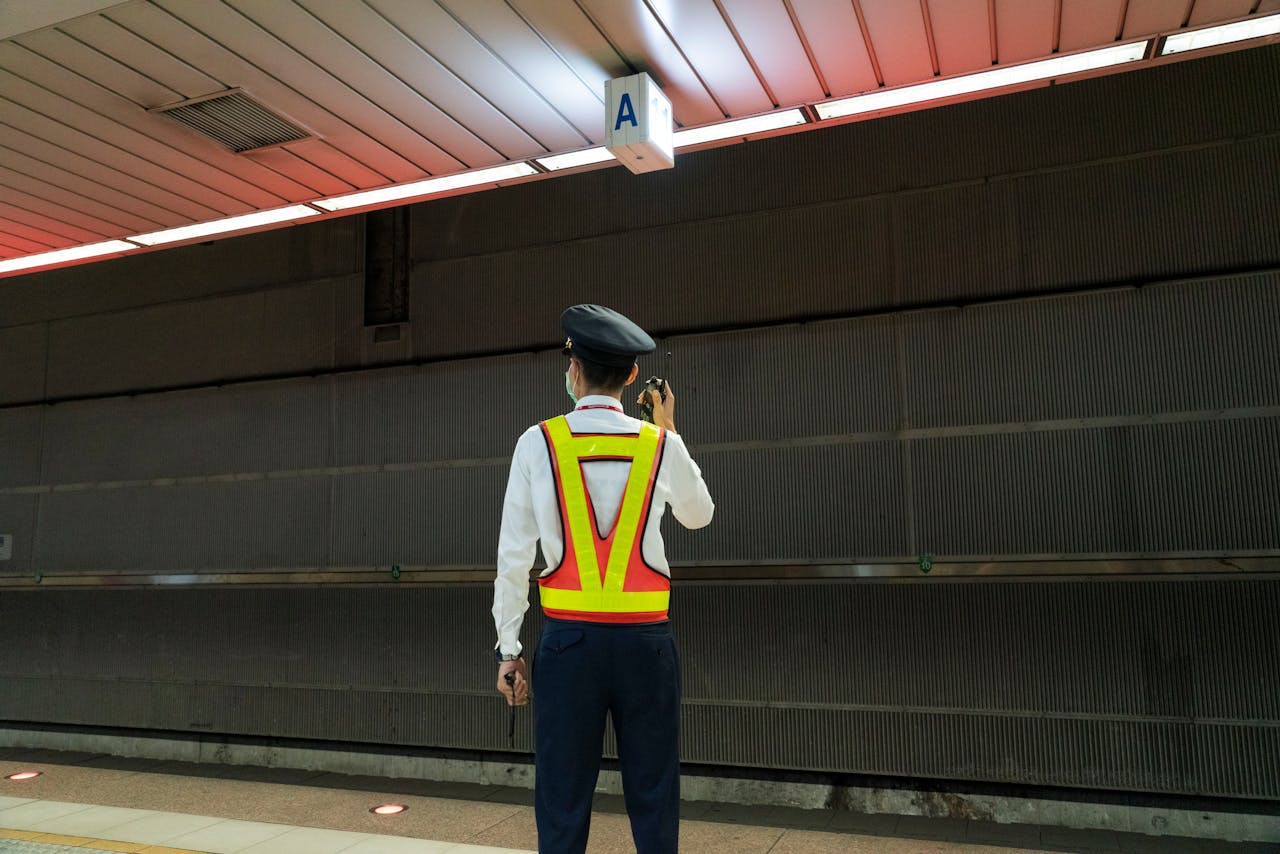
Are you dreaming of building a stable career in one of Europe’s most beautiful countries? Security guard jobs in Italy in 2026 are quietly becoming one of the most accessible and rewarding opportunities for both locals and foreign workers. Whether you’re a first-time job seeker or an experienced professional looking to relocate, Italy’s growing demand for security personnel means the doors — quite literally — are wide open.
In this guide, we’ll walk you through everything you need to know: what the job involves, how much you can earn, what qualifications you need, how to get a work visa, and exactly how to apply. Let’s dive in.
Why Security Guard Jobs in Italy Are in High Demand in 2026
Italy’s economy continues to grow, and with it, the need for professional security services across retail, hospitality, banking, logistics, and public infrastructure. Major cities like Rome, Milan, Naples, and Florence are hotspots for security job openings, driven by high tourism, luxury retail, and corporate expansion.
Private security companies such as Securitas Italia, Axitea, Coopservice, and Sicuritalia are among the biggest employers, regularly posting vacancies across the country. Add to this Italy’s busy airports, train stations, museums, and government buildings — and you’ve got a market that needs thousands of trained security professionals every year.
What Does a Security Guard Do in Italy?
Before applying, it helps to understand exactly what the role demands. As a security guard in Italy, your typical daily duties include:
- Patrolling buildings, grounds, and facilities
- Monitoring CCTV surveillance systems
- Controlling access points and checking identification
- Writing incident reports and security logs
- Responding to alarms, emergencies, or suspicious activity
- Assisting visitors and directing foot traffic
Some specialized roles — such as VIP protection, bank security, or embassy security — may require additional training and clearances.
Requirements to Work as a Security Guard in Italy
Basic Qualifications
Getting hired as a security guard in Italy doesn’t require a university degree, but you will need to meet the following criteria:
- Minimum education: High school diploma (Diploma di Scuola Superiore)
- Age: Must be at least 18 years old
- Clean criminal record: Background checks are mandatory for all candidates
- Physical fitness: The job involves long hours of standing, patrolling, and responding to incidents
- Italian language skills: Basic to intermediate Italian is generally required to communicate with colleagues, clients, and the public
- Driver’s license: Required for mobile patrol roles
Security Training Certification
Most employers — and Italian law — require candidates to complete a Corso di Formazione per Guardie Giurate (Security Guard Training Course). This certification covers emergency response, legal responsibilities, surveillance techniques, and conflict management. Training programs typically last several weeks and can be completed at authorized institutes across Italy.
Visa Requirements for Foreign Workers
EU Citizens
If you hold an EU/EEA passport, you have the right to live and work in Italy without a special visa. Simply register with your local municipality (Comune) upon arrival.
Non-EU Citizens
If you are a non-EU citizen, you will need a valid work visa to legally work as a security guard in Italy. The most common type is the Subordinate Work Visa (Lavoro Subordinato), which requires you to first secure a job offer from an Italian employer. Once you receive the offer, your employer applies for work authorization called Nulla Osta on your behalf. After that is approved, you apply for the visa at the Italian consulate or embassy in your home country. Upon arriving in Italy, you must apply for a residence permit (Permesso di Soggiorno) within 8 days to fully legalize your stay and work. Nucamp
This process takes time, so start early and make sure all your documents are in order.
Security Guard Salary in Italy 2026
Salary is one of the first things job seekers want to know — and for good reason. Here’s a realistic breakdown:
- Entry-level positions: €1,100 – €1,400 per month
- Experienced guards with certifications: €1,500 – €2,000 per month
- Specialized roles (VIP protection, embassy security): €2,500+ per month
- Salaries in major cities like Rome and Milan tend to be higher compared to smaller towns, due to cost of living and higher demand. Nucamp
Salary potential for security guards in Italy is projected to increase approximately 13% over the next five years LinkedIn, making this a career with genuine long-term growth potential.
In addition to base pay, many security officer positions come with bonuses for seniority, annual holiday pay, performance incentives, and uniform allowances — plus company-funded training in relevant skills. CDR Elite Writers
Real Story: From Pakistan to Rome
Consider Ahmed, a 29-year-old from Lahore who relocated to Rome in 2024 after completing his security training certification online. He secured a job offer through an Italian staffing agency, navigated the Nulla Osta process, and within six months was working as a night-shift security guard at a shopping center in the EUR district. “The process was tough,” he says, “but once I had my permit and my certification, it moved fast. The pay is steady and I feel secure here — in every sense.” His story is not unique. Thousands of international workers are making this move every year.
How to Find and Apply for Security Guard Jobs in Italy
Here’s a practical step-by-step approach to landing your job:
Step 1 – Get certified. Enroll in a recognized security training course in Italy or check if your home country certification is recognized.
Step 2 – Build your CV. Write a clear, professional resume in Italian and English. Highlight any previous security, military, or law enforcement experience.
Step 3 – Search job portals. The best platforms to find security guard vacancies in Italy include:
- Indeed Italia (indeed.it)
- LinkedIn Italy
- Monster.it
- Subito.it
- InfoJobs.it
Step 4 – Contact security companies directly. Many private security firms in Italy advertise vacancies directly on their websites. Nucamp Look up Securitas Italia, Axitea, Coopservice, and Sicuritalia and apply through their career pages.
Step 5 – Apply through a licensed recruitment agency. Staffing agencies specializing in security personnel can help you navigate both the job search and the visa process from abroad.
Step 6 – Prepare for your interview. Practice answers in Italian if possible. Emphasize your reliability, physical fitness, attention to detail, and any relevant experience.
Career Growth Opportunities
Starting as a security guard doesn’t mean staying at the bottom forever. With experience and additional certifications, you can progress to:
- Security Supervisor / Team Leader
- Control Room Operator
- VIP / Executive Protection Officer
- Security Manager
With experience, additional training, and certifications, you can move into supervisory roles, VIP protection, or specialized security services. Nucamp
FAQs – Security Guard Jobs in Italy 2026
Q: Can foreigners apply for security guard jobs in Italy? A: Yes. EU citizens can apply freely. Non-EU citizens need a Subordinate Work Visa (Lavoro Subordinato) and must secure a job offer first before applying for their visa.
Q: Is Italian language knowledge required? A: Yes, basic to intermediate Italian is usually required to communicate effectively on the job and with employers. Consider taking a language course before or after arrival.
Q: Do I need prior experience to get hired? A: Not always. Entry-level roles are available and some companies offer on-the-job training. However, holding a security training certification gives you a strong advantage.
Q: Is a background check required? A: Yes. A clean criminal record is mandatory. Most security employers conduct thorough checks before making any hiring decision.
Q: How long does the visa process take for non-EU applicants? A: The process varies, but typically takes 2–4 months from the time your employer submits the Nulla Osta request to when you receive your visa and arrive in Italy.
Conclusion – Your Next Chapter Starts Here
We won’t sugarcoat it — moving to a new country for work takes courage. The paperwork, the language barrier, the uncertainty — it’s a lot. But thousands of people are doing it every year, and security guard jobs in Italy in 2026 represent one of the most realistic, stable, and rewarding pathways to building a new life in Europe.
You don’t need a degree. You need determination, a clean record, the right certification, and the willingness to take that first step. Whether you’re in your 20s looking for your first real opportunity, or in your 40s ready for a fresh start — Italy has a place for you.
So update that CV, research those companies, and take action today. Your Italian adventure is closer than you think.