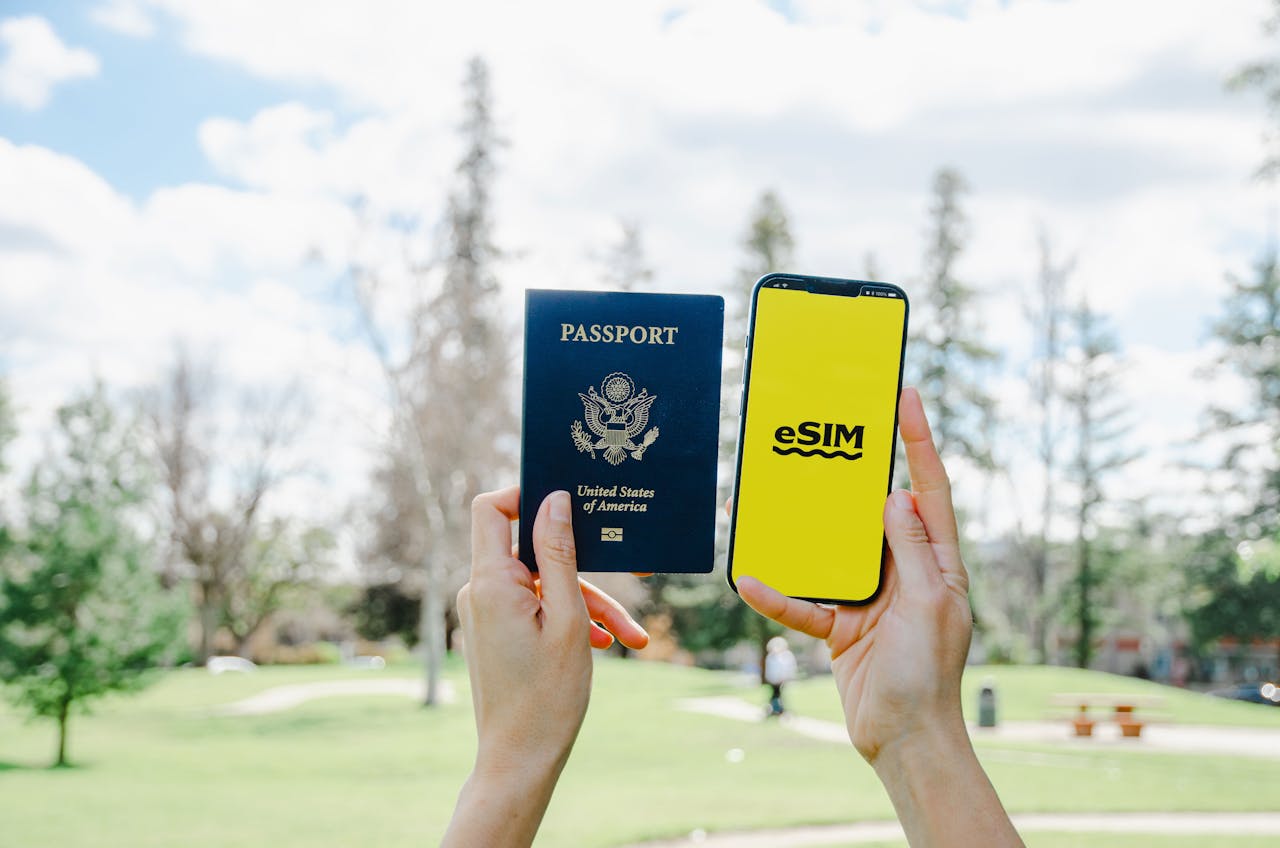
You’ve submitted your visa application weeks ago. The embassy website says processing takes 15-30 days, but that range feels impossibly vague when your flight is booked, your job start date is approaching, or your family reunion depends on timely approval. So you refresh the tracking page obsessively, check your email every hour, and lose sleep wondering if your passport is sitting on someone’s desk collecting dust or if there’s a problem no one told you about.
This uncertainty isn’t just frustrating—it’s the reality for millions of visa applicants worldwide. Fortunately, visa application tracking services have evolved from basic status checkers to sophisticated monitoring systems that provide real-time updates, proactive notifications, and peace of mind during one of travel planning’s most stressful phases.
Whether you’re using free government tracking portals, investing in premium monitoring services, or leveraging third-party visa tracking apps, understanding how these systems work and which options suit your needs can transform your application experience from anxious guessing to informed waiting. This comprehensive guide will walk you through everything about online visa status tracking, from official government systems to commercial tracking services, helping you stay informed every step of your visa journey.
How Official Government Visa Tracking Systems Work
Understanding the backbone of visa application tracking starts with official government systems that nearly every country now provides, each with varying levels of sophistication and user-friendliness.
Online Visa Status Check Portals form the foundation of most tracking systems. After submitting your application, you receive a reference number, receipt number, or application ID that serves as your tracking key. Entering this number into the official portal displays your current application status—typically showing stages like “Application Received,” “Under Review,” “Processing,” “Decision Made,” or “Passport Dispatched.”
Real-Time vs. Batch-Updated Systems create different tracking experiences. Some countries update status in real-time as your application moves through processing stages, while others update in batches once or twice daily. Understanding your destination’s update frequency prevents unnecessary panic when status doesn’t change hourly. US USCIS case status, for example, may remain unchanged for weeks, then suddenly update to “Approved” without intermediate steps.
Information Provided in Official Tracking varies significantly by country. Basic systems show only generic status updates. Advanced systems display detailed timelines including when your application reached specific officers, when additional documents were requested, whether background checks are complete, and estimated decision dates. UK visa tracking provides relatively detailed information, while some countries offer frustratingly vague updates.
Authentication and Security Requirements protect your sensitive information. Most official visa tracking services require multiple verification factors—application reference numbers, passport numbers, birth dates, or security questions. This prevents unauthorized tracking but also means you must carefully save all confirmation documents received during application submission.
Mobile Accessibility of Government Tracking has improved dramatically. Many immigration authorities now offer mobile-optimized tracking portals or dedicated apps. Australia’s ImmiAccount, Canada’s IRCC portal, and India’s visa tracking all function well on smartphones, letting you check status anywhere without carrying physical documents.
Consider Priya, an Indian software engineer who applied for a UK work visa with a job starting date just three weeks after her application. Using the UK’s VFS tracking system, she could see exactly when her application left the visa center, when it reached the UK decision-making center, when a decision was made, and when her passport was dispatched back. This transparency let her confidently book her flight knowing her visa was en route, rather than anxiously waiting with no information.
Popular Countries’ Visa Tracking Systems: A Comparison
Different countries offer dramatically different tracking experiences. Knowing what to expect from your destination’s system helps manage expectations and choose supplementary tracking services if needed.
United States USCIS Case Status Tracking
The US offers multiple tracking systems depending on visa type. USCIS online case status for green cards and work visas uses receipt numbers and provides status updates, though updates can be infrequent. For tourist/visitor visas processed through embassies, applicants track passport return through courier services like VFS or the specific embassy appointment system. The US system is functional but often criticized for infrequent updates and vague status descriptions.
United Kingdom Visa Application Tracking
UK offers one of the most user-friendly tracking systems through VFS Global centers. Applicants receive SMS and email updates at each stage: application received, forwarded to decision center, decision made, passport dispatched. The system typically updates within 24 hours of actual events and includes estimated processing timeframes. Premium services offer enhanced tracking with more frequent updates.
Canada Immigration Application Status Tracking
Canada’s IRCC (Immigration, Refugees and Citizenship Canada) provides an online account system showing detailed application progress. The system displays which stages are complete, which are in progress, and estimated completion dates. For visitor visas, tracking is less detailed but still shows basic status. The system updates regularly but processing times often exceed initial estimates.
Schengen Visa Tracking Across European Countries
Schengen visa tracking varies by country and processing center. VFS Global and TLScontact (major visa processing centers) offer tracking for multiple European countries. Some countries like France and Germany provide detailed tracking, while others offer minimal information. Applicants typically receive an application number for tracking through the visa center’s portal.
Australia Visa Application Tracking Through ImmiAccount
Australia’s online ImmiAccount system is comprehensive and user-friendly. Applicants can see detailed processing stages, upload additional documents when requested, and receive direct communication from immigration officers through the portal. The system updates frequently and provides estimated processing timeframes that are generally accurate.
Asian Countries Visa Tracking Systems
India offers e-visa tracking through a simple online portal requiring application ID and passport number. China visa tracking varies by processing location but generally provides basic status updates. Singapore doesn’t offer detailed tracking but processes applications quickly enough that extensive tracking isn’t necessary. Japan provides application status through embassy-specific systems.
Middle East Visa Status Checking
UAE provides visa tracking through typing center systems and immigration portals, with updates typically available within hours of processing events. Saudi Arabia offers tracking for various visa types through the Enjaz platform. Both systems are relatively straightforward but require specific reference numbers provided during application.
Third-Party Visa Application Tracking Services: What They Offer
Beyond official government systems, commercial visa tracking services promise enhanced monitoring, notifications, and support. Understanding what these services genuinely provide helps evaluate whether their fees represent value or unnecessary expense.
Enhanced Notification Systems represent the primary value proposition. While government portals require you to manually check status, third-party visa status monitoring services send proactive alerts via email, SMS, or app notifications whenever your status changes. This eliminates constant manual checking and ensures you never miss important updates requiring action.
Multi-Application Dashboard Tracking benefits families or frequent travelers managing multiple visa applications simultaneously. Professional tracking services let you monitor several applications across different countries from one unified dashboard, rather than juggling multiple government portals with different login credentials.
Processing Time Analytics and Predictions offered by premium services analyze historical data to predict when your specific application might reach decision. By comparing your application’s progress against thousands of similar cases, these systems estimate likely timelines more accurately than generic government estimates.
Document Expiration Alerts prevent missed deadlines. Some comprehensive visa tracking apps monitor expiration dates for passports, police clearances, medical certificates, and other supporting documents, alerting you before they expire and potentially delay your application.
Expert Support and Status Interpretation included with premium tracking services helps decode vague status messages. Immigration consultants can explain what “Administrative Processing” actually means, whether “Case Received” is normal after weeks of waiting, or if “Ready for Interview” requires action on your part.
Typical Costs for Commercial Tracking Services range from $10-$100 depending on features and duration. Basic notification services cost $10-$30 for single applications. Comprehensive tracking with analytics and expert support costs $50-$100. Family packages or multi-country tracking may cost more but offer better value for complex situations.
When Third-Party Tracking Services Add Genuine Value includes managing multiple family applications simultaneously, dealing with complex immigration cases requiring professional interpretation, situations where you cannot regularly access government portals due to work or travel, or cases where application delays could have serious consequences requiring immediate awareness and action.
When You’re Better Off Using Free Official Systems includes straightforward single applications to countries with good official tracking, situations where you can easily check government portals regularly, applications to countries with very fast processing where extensive tracking is unnecessary, or tight budget scenarios where tracking service fees represent significant expense.
Free Visa Tracking Tools and Resources You Should Use
Smart applicants leverage free resources before paying for premium services. Several effective free tools provide excellent tracking capabilities without subscription fees.
Official Government Mobile Apps offered by many countries provide free real-time notifications. Australia’s Department of Home Affairs app, UK government app notifications through linked email, and similar official apps deliver status updates directly to your phone at no cost. These official apps should always be your first tracking tool.
Visa Processing Center Tracking Portals like VFS Global and TLScontact offer free tracking for applications they process. While not as feature-rich as premium services, these centers provide SMS and email updates at key stages, passport tracking numbers when documents are returned, and customer service support for tracking questions.
Immigration Forum Tracking Threads on platforms like VisaJourney, ImmiHelp, and Reddit’s immigration communities offer crowdsourced insights into processing timelines. Users share their application dates, current status, and approval timelines, helping you gauge whether your processing time is normal. While not personalized tracking, this community data provides valuable context.
Browser Extensions and Automation Tools can automate status checking on government websites. Simple browser automation can check official portals at set intervals and alert you to changes. While requiring some technical setup, these free tools effectively replicate paid notification services for tech-savvy users.
Email Filtering and Notification Setup ensures you never miss official communications. Creating specific email filters for immigration correspondence, enabling push notifications for these filtered emails, and adding embassy/consulate addresses to VIP contact lists makes government updates immediately visible.
Common Visa Tracking Problems and How to Solve Them
Despite technological advances, visa tracking systems frequently frustrate users with technical issues, unclear information, and accessibility problems.
“Application Not Found” Error Messages occur when tracking numbers are entered incorrectly, systems haven’t updated with new applications yet (usually 24-48 hours after submission), or technical issues affect database access. Solutions include double-checking reference number format (some systems are case-sensitive or require specific formats), waiting 48-72 hours after application submission before first tracking attempt, and trying alternative tracking methods if available (phone inquiry, email inquiry).
Status Stuck on Same Update for Weeks causes anxiety but isn’t always problematic. Immigration processing involves lengthy background checks, document verification, and administrative steps that don’t generate status updates. Many applications sit at “Processing” or “Under Review” for weeks before suddenly jumping to “Approved.” If your application exceeds standard processing times by more than 50%, contact the embassy or consider using professional inquiry services.
Conflicting Status Information Across Platforms happens when visa processing centers and government systems update at different intervals. The visa center might show “Application Submitted to Embassy” while the embassy’s own portal shows “Not Received.” Usually, the most recent update from either system is accurate. If confusion persists beyond a few days, direct embassy contact clarifies actual status.
Lost or Missing Tracking Numbers create tracking impossibility. Always save confirmation emails, application receipts, and reference numbers in multiple locations—email, cloud storage, and physical copies. If lost, contact the visa processing center or embassy with your passport number and birth date to retrieve tracking information. Some systems allow tracking with alternative identifiers.
System Maintenance and Downtime blocks access when you most want to check status. Government portals often undergo maintenance during off-peak hours. If you cannot access tracking, wait a few hours and try again rather than panicking. Scheduled maintenance is usually announced on official websites.
Best Practices for Effective Visa Application Monitoring
Strategic tracking approaches maximize information gained while minimizing stress and wasted time checking status compulsively.
Check Status at Consistent Intervals, Not Constantly maintains sanity. Most systems update once daily at specific times. Checking once every 24-48 hours provides adequate monitoring without obsessive behavior. Set specific checking times rather than refreshing randomly throughout the day.
Save Screenshots of Every Status Update creates evidence of your application’s progress. These screenshots prove submission dates, help track processing duration, and provide documentation if disputes arise. They’re also useful for future visa applications requiring previous visa history.
Enable All Available Notification Options on official systems ensures you don’t miss important updates. Activate email, SMS, and app notifications wherever offered. Ensure these notification contact details are current and monitored regularly.
Understand Normal Processing Timeframes for your specific visa type and country before anxiety sets in. If the government estimates 15-30 days, don’t panic at day 20—you’re still within normal range. Research actual processing experiences from recent applicants through forums and communities.
Know When to Take Action vs. Keep Waiting represents critical judgment. If your application shows “Additional Documents Required,” immediate action is needed. If it shows “Processing” within normal timeframes, waiting patiently is appropriate. If processing exceeds normal timeframes by more than 50-100%, inquire through proper channels.
Keep All Communication Channels Open with visa authorities. Ensure email addresses and phone numbers provided in your application are constantly accessible. Check spam folders daily for official communications. Immigration offices rarely call, but when they do, it’s usually time-sensitive.
Frequently Asked Questions About Visa Application Tracking Services
Q: How often should I check my visa application status?
A: Once every 24-48 hours is sufficient for most applications. Government systems typically update once daily, so more frequent checking won’t reveal new information and increases stress unnecessarily. If you’ve enabled email or SMS notifications from official sources, you can check even less frequently since you’ll be alerted to important changes. The exception is if you’re approaching travel dates or deadlines—in those cases, daily checking is reasonable to ensure you don’t miss time-sensitive updates.
Q: What does it mean when my visa status says “administrative processing”?
A: “Administrative processing” is a catch-all term meaning your application requires additional review beyond standard processing. This might involve extended background checks, verification of employment or educational credentials, review by specialized departments, or requests for additional documentation. Duration varies widely from a few weeks to several months depending on the specific issue. This status doesn’t necessarily indicate problems with your application—many routine applications undergo administrative processing. If it exceeds 60 days, contact the embassy for specific information about your case.
Q: Can I track my visa application without a tracking number?
A: In most cases, no—tracking numbers are required for security and privacy. However, some systems allow tracking using alternative information like passport numbers combined with birth dates or application dates. If you’ve completely lost your tracking number, contact the visa application center or embassy where you submitted your application with your full name, passport number, birth date, and application date. They can retrieve your reference number, though this process may take several days. Always save tracking numbers in multiple locations immediately upon receiving them.
Q: Why does my visa tracking show different information than what the customer service told me?
A: Discrepancies occur because customer service representatives and online systems sometimes access different databases that update at different intervals. The visa processing center might have updated information while the embassy’s system hasn’t synced yet, or vice versa. Generally, trust the most recent information from the most authoritative source (the embassy or consulate making the decision rather than the application center). If discrepancies persist beyond 48 hours or involve critical information like approval status, request written clarification from the official decision-making authority.
Q: Are paid visa tracking services more accurate than free government tracking?
A: No, paid services aren’t more accurate—they access the same government data you can check for free. Their value lies in convenience features like automatic notifications, multi-application dashboards, and expert interpretation of status meanings, not in accessing secret or more accurate information. If you’re comfortable regularly checking official government portals and understanding status meanings, free tracking provides the same accuracy. Paid services make sense if you value the notification convenience, need help interpreting status updates, or manage multiple complex applications simultaneously.
Finding Peace in the Waiting Process
Let’s be real for a moment: tracking your visa application obsessively won’t make it process faster. I know you know this intellectually, but emotionally? It’s nearly impossible to stop yourself from checking that status portal multiple times daily, reading meaning into every word, and googling what “processing” means for the hundredth time.
This waiting period is genuinely difficult. Your life is on hold—you can’t finalize travel plans, can’t give your employer a definite start date, can’t commit to that apartment lease, can’t tell your family when you’ll finally be together again. The uncertainty feels unbearable because, in many ways, it is. Your future depends on decisions happening behind closed doors with no transparency and no control.
But here’s what I want you to understand: you’ve done everything within your power. You submitted a complete, honest application. You provided all required documents. You paid the fees. The rest is genuinely out of your hands, and no amount of status checking will change the timeline. What tracking services do—whether free or paid—is simply give you information as it becomes available, not speed up the actual process.
So use tracking tools strategically. Enable notifications so you’re informed of changes automatically. Check status once daily if you must, but then consciously step away. The application is processing whether you’re watching or not. Fill this waiting time with life—spend time with people you love, pursue hobbies you’ll miss once you’re busy traveling or settling into new life, take care of your mental and physical health.
Your visa approval is coming. The vast majority of applications with complete documentation and genuine purposes get approved eventually. Trust the process, use tracking tools to stay informed without becoming consumed, and remember that this uncertain waiting period is temporary even though it feels endless.
Conclusion: Staying Informed Without Losing Your Mind
Visa application tracking services—whether free government portals, third-party monitoring services, or comprehensive tracking apps—serve one primary purpose: providing information and peace of mind during an inherently uncertain process. The best tracking approach combines official government systems for accurate status information with strategic notification tools that alert you to changes without requiring constant manual checking.
Understanding how different countries’ tracking systems work, what information they provide, and when updates typically occur helps you set realistic expectations and avoid unnecessary anxiety. While premium tracking services offer convenience features, most applicants can effectively monitor applications using free official tools combined with smart practices like regular checking schedules and proper notification setup.
Remember that tracking reveals information about your application’s progress but doesn’t influence or accelerate the actual processing. Use these tools to stay informed, respond promptly to any requests for additional information, and plan accordingly—but don’t let status checking consume your life during what is already a stressful waiting period.
Your application is processing, decisions are being made, and information becomes available as it happens. Stay informed, stay patient, and trust that you’ll receive your visa decision in due time.