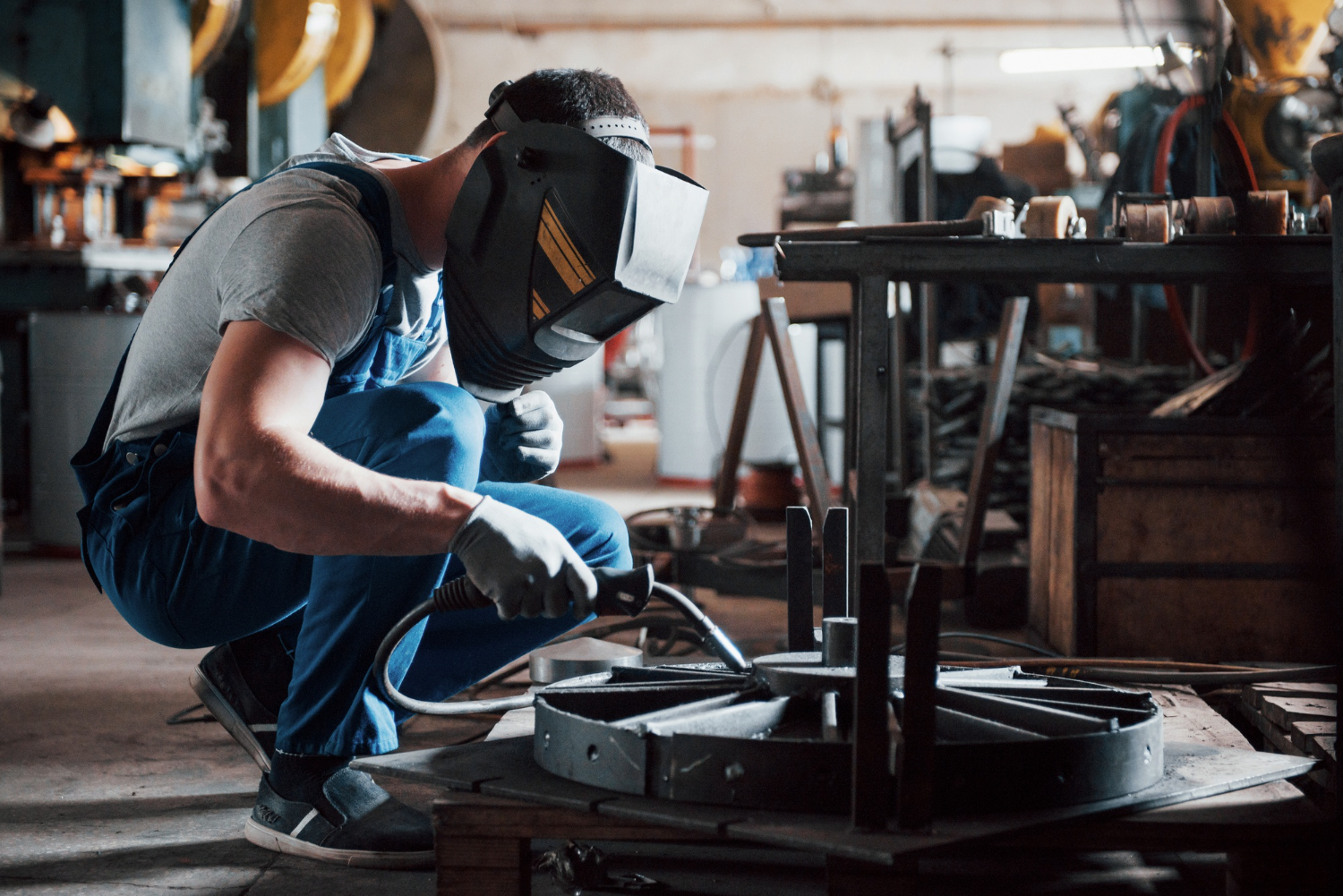
If someone told you that you could earn six figures working with your hands, would you believe them? Most people assume high-paying careers require years in an office or a mountain of student debt. But here’s the truth: some of the highest paying welding jobs in America are taking skilled tradespeople to income levels that rival many white-collar professions—and they’re doing it without the traditional four-year degree path.
We’re talking about underwater welding jobs and pipeline welder positions that regularly cross the $100,000 threshold. These aren’t your typical welding gigs. They’re specialized, challenging, and incredibly rewarding both financially and professionally. If you’ve got the grit, the right certifications, and a willingness to work in demanding environments, these careers might just be your ticket to financial freedom.
Why Underwater and Pipeline Welding Jobs Pay So Well
Let’s cut straight to the chase: specialized welding careers command premium salaries because they require unique skill sets, involve significant risk, and face constant demand with limited supply of qualified workers.
Underwater welding jobs combine two highly technical skills—commercial diving and welding—into one extreme profession. You’re working in zero-visibility conditions, dealing with water pressure, managing limited oxygen supplies, and executing precision welds that must meet strict structural standards. It’s not for everyone, and that’s exactly why it pays so well.
Pipeline welder salaries reach six figures because these professionals work on critical infrastructure projects that can’t afford downtime or mistakes. Whether it’s oil, natural gas, or water pipelines stretching across remote locations, pipeline welders travel extensively, work long hours, and deliver flawless welds that must withstand decades of pressure and environmental stress.
The economics are simple: high risk + high skill + high demand = high pay. Companies will pay top dollar for welders who can deliver results in challenging conditions because the cost of failure far exceeds the investment in quality talent.
Understanding Underwater Welding Careers
What Does an Underwater Welder Actually Do?
Underwater welders perform wet welding and dry welding on submerged structures. This includes repairing ships, offshore oil rigs, dams, bridges, and underwater pipelines. Some work in harbors and ports, while others travel to offshore platforms in the middle of the ocean.
There are two main types:
Wet Welding: The welder works directly in the water, using specialized electrodes designed to function underwater. This method is faster but more challenging due to reduced visibility and water cooling the weld.
Dry Welding (Hyperbaric Welding): A sealed chamber is placed around the work area, water is pumped out, and welding happens in a dry environment underwater. This produces higher-quality welds but requires more setup time.
Underwater Welder Salary Expectations
Entry-level underwater welders typically earn $40,000-$60,000 annually while building experience and certifications. However, experienced commercial divers with advanced welding certifications routinely earn $80,000-$150,000+ per year.
Your earning potential depends on:
- Depth of dives: Deeper dives = hazard pay
- Location: Offshore oil rig work pays significantly more than inland projects
- Certifications: AWS (American Welding Society) certifications boost earning power
- Experience level: 5+ years of experience opens doors to premium contracts
- Willingness to travel: International projects often pay the highest rates
Certifications and Training Required
Breaking into underwater welding requires a two-step approach:
- Become a Certified Welder First: Complete welding training at a trade school or community college. Earn AWS certifications in various welding processes (SMAW, GMAW, FCAW, GTAW).
- Complete Commercial Diving School: Attend an accredited commercial diving school (typically 6-7 months). Programs cost $10,000-$20,000 and cover underwater welding techniques, diving physics, safety procedures, and hands-on training.
The Association of Diving Contractors International (ADCI) accreditation is crucial. Employers specifically look for ADCI-certified divers for underwater welding jobs.
Pipeline Welding: The Road to Six Figures
The Life of a Pipeline Welder
Pipeline welders are the road warriors of the welding world. They travel to wherever pipelines are being constructed or repaired—often remote locations across different states or even countries. Projects might last weeks or months, and you’ll work long days (10-12 hour shifts are common) to meet construction deadlines.
The work itself is physically demanding. You’re often welding in extreme weather conditions—scorching heat, freezing cold, or unpredictable storms. Pipeline projects don’t stop for mild discomfort, and that’s reflected in the compensation.
Pipeline Welder Salary Breakdown
Entry-level pipeline welders with basic certifications start around $50,000-$65,000 annually. However, here’s where it gets interesting:
Experienced pipeline welders with 3-5 years of proven experience regularly earn $80,000-$120,000+ per year. Top-tier welders working on major oil and gas pipeline projects can exceed $150,000 annually when factoring in overtime, per diem, and bonuses.
Many pipeline welders work as independent contractors, negotiating their rates per weld or per day. Rates of $500-$1,000+ per day aren’t uncommon for highly skilled welders with excellent reputations.
Essential Certifications for Pipeline Work
The pipeline industry has strict quality standards, and certifications prove you can meet them:
- 6G Certification: The gold standard for pipe welding, demonstrating ability to weld pipes in all positions
- X-Ray Quality Welds: Your welds must pass radiographic testing showing zero defects
- API 1104: American Petroleum Institute standard for pipeline welding
- Specific Material Certifications: Depending on the project (carbon steel, stainless steel, exotic alloys)
Many pipeline companies provide welding tests during hiring. You’ll need to pass their specific welding procedures to get on the crew.
Real Story: From Shop Welder to Six-Figure Pipeline Career
Marcus started as a welding apprentice in a small fabrication shop in Texas, earning $15 per hour. He loved the work but knew he wanted more financial stability for his growing family. After two years of shop experience, he invested in getting his 6G certification and started applying to pipeline companies.
His first pipeline job paid $28 per hour—decent, but not the six figures he’d heard about. What changed everything was his willingness to go where others wouldn’t. When a major pipeline project opened in North Dakota during one of the coldest winters on record, most welders turned it down. Marcus packed his bags.
Working 12-hour days, six days a week, in subzero temperatures for four months, Marcus earned over $45,000 on that single project. The company was so impressed with his work ethic and weld quality that they offered him a permanent spot on their elite crew. Three years later, he’s consistently earning $110,000-$130,000 annually, traveling 8-9 months per year, and has paid off his mortgage ahead of schedule.
Marcus’s secret? “Show up, shut up, and lay down perfect beads. Companies remember reliable welders who don’t complain and pass every X-ray. Those are the people who get called for the high-paying jobs.”
Breaking Into High-Paying Welding Careers: Your Action Plan
Step 1: Master the Fundamentals
Before chasing six-figure specialized welding jobs, you need a rock-solid foundation. Enroll in a comprehensive welding program that covers:
- Multiple welding processes
- Blueprint reading
- Metallurgy basics
- Safety procedures
- Hands-on practice time
Community colleges offer affordable programs ($3,000-$8,000 total). Trade schools provide accelerated options. Either way, aim for programs that help you earn AWS certifications.
Step 2: Choose Your Specialization
Decide which path aligns with your lifestyle preferences:
Choose Underwater Welding If:
- You’re comfortable in water and confined spaces
- You want variety (ships, dams, offshore rigs)
- You’re willing to invest in diving school
- You prefer project-based work with downtime between jobs
Choose Pipeline Welding If:
- You’re willing to travel extensively
- You thrive in outdoor, physically demanding work
- You want to build welding skills before adding diving complexity
- You prefer continuous employment with less training investment
Step 3: Get Field Experience
Nobody hands six-figure jobs to rookies. You need to build your reputation:
- Take every opportunity to practice difficult welds
- Seek out experienced welders as mentors
- Work on projects that challenge your skills
- Document your certifications and passed inspections
- Network within your chosen specialty
Step 4: Invest in Advanced Certifications
Once you’ve got 1-2 years of solid experience, pursue the certifications that unlock premium opportunities:
- For underwater welding: Complete ADCI-accredited commercial diving school
- For pipeline welding: Earn your 6G certification and practice until you can pass any company’s welding test on the first try
Step 5: Go Where the Money Is
High-paying welding jobs aren’t evenly distributed. Research where major projects are happening:
- Oil and gas pipeline construction (Texas, Louisiana, North Dakota, Pennsylvania)
- Offshore drilling operations (Gulf of Mexico, Alaska)
- Infrastructure projects (major bridge and dam repairs)
- Shipyards and naval facilities (coastal regions)
Be willing to relocate temporarily or permanently. The welders earning $100K+ aren’t waiting for opportunities to come to their hometown.
The Hidden Costs and Challenges Nobody Mentions
Let’s be honest about the trade-offs. These aren’t comfortable desk jobs:
Physical Toll: Your body takes a beating. Underwater welding is physically exhausting. Pipeline work means long hours in uncomfortable positions. Invest in quality protective gear and take care of your health.
Time Away From Home: Pipeline welders might be on the road 200-250 days per year. Underwater welders on offshore rigs work 28-day rotations. If you have a family, you’ll miss birthdays, holidays, and everyday moments.
Inconsistent Work: Not every month is a $15,000 month. Projects end. Weather delays happen. Underwater welding especially can be feast or famine depending on available contracts.
Safety Risks: These are objectively dangerous professions. Underwater welding consistently ranks among the most hazardous jobs. Pipeline welding involves working with explosive materials and heavy equipment. Safety protocols exist for a reason—follow them religiously.
Initial Investment: Between welding school, certifications, and diving school (if applicable), you’re looking at $15,000-$30,000 in training costs before you land your first high-paying job.
Frequently Asked Questions
Q: How long does it take to become an underwater welder?
A: Typically 2-3 years total. First, complete welding training and earn certifications (6-18 months). Then, attend commercial diving school (6-7 months). After graduation, expect 1-2 years building experience before accessing the highest-paying contracts. Total timeline from complete beginner to $100K+ earning potential is 3-5 years.
Q: Can you really make $100,000 as a pipeline welder?
A: Absolutely. Experienced pipeline welders with solid reputations regularly earn six figures, especially those willing to work overtime, travel to remote locations, and take on challenging projects. Your first year won’t likely hit $100K, but with 3-5 years of experience and the right certifications, it’s very achievable. Some contractors earn $150,000+ annually.
Q: Is underwater welding the most dangerous job?
A: It’s certainly high-risk due to the combination of electrical equipment, underwater environments, decompression requirements, and limited visibility. However, with proper training, equipment, and adherence to safety protocols, many commercial divers have long careers. The risk is real, but it’s managed through extensive safety procedures and experienced teams.
Q: Do I need a college degree for high-paying welding jobs?
A: No. These careers require vocational training and certifications, not traditional four-year degrees. You need completion of accredited welding and/or diving programs, industry certifications (AWS, ADCI), and proven field experience. Your skills and work quality matter far more than academic credentials.
Q: What’s the work-life balance like in these careers?
A: Honestly? It’s challenging. Pipeline welders travel constantly during busy seasons. Underwater welders work long offshore rotations. However, many professionals appreciate the intensive work periods followed by extended time off. It’s about finding what rhythm works for you and your family. Some welders work 9 months and take 3 months off entirely.
The Bottom Line: Is a Six-Figure Welding Career Right for You?
Here’s what we know for certain: The demand for skilled underwater welders and pipeline welders isn’t disappearing anytime soon. Infrastructure needs repairs. Energy projects require pipelines. Offshore installations need maintenance. As long as we have steel structures in challenging environments, we’ll need specialized welders earning premium wages.
But let’s talk real for a moment.
This path isn’t for everyone, and that’s perfectly okay. If you’re reading this and feeling that pull—that curiosity about whether you could actually build a six-figure career with your hands—then you’re already different from most people. Most folks dream about better opportunities but never take action. They talk themselves out of it before they even start.
Maybe you’re worried you’re too old to start over. Or you think welding school sounds too expensive. Or you’re concerned about leaving your current job for something uncertain. Those feelings are completely normal. Change is scary. But you know what’s scarier? Looking back in five years and realizing you never even tried.
The truth is, every successful underwater welder and pipeline welder you see earning those impressive paychecks was once exactly where you are now—standing at the starting line, wondering if they could actually do it. The only difference between them and everyone else is they took the first step.
You don’t have to quit your job tomorrow. You don’t have to have everything figured out right now. You just have to decide that you’re worth investing in. That your future—and your family’s future—is worth the discomfort of learning something new and pushing yourself beyond what feels safe.
Start researching welding programs in your area this week. Visit a commercial diving school website. Talk to someone who’s actually doing this work. Take one small action that moves you forward. Because here’s the beautiful thing about skilled trades: Your effort directly correlates with your results. Show up, put in the work, develop your skills, and the money will follow.
You’ve got this. And a few years from now, when someone asks you about your career, you might just be the one inspiring the next person to take their shot at a six-figure welding career.